
There’s nothing more frustrating than finishing a perfect manicure only to notice a chip by lunchtime. It feels like all your effort has gone to waste. Chipped nail polish is common, but it doesn’t have to ruin your look. In this guide, you’ll learn how to stop nail polish chipping and keep your nails looking fresh for days. From prep steps to application tips, these 27 proven ways will help your polish last longer.
Whether you prefer salon manicures or at-home polish, these strategies work for every nail type. You’ll learn why polish peels, the best products to use, and small habits that make a big difference. Even minor tweaks can prevent chipping and fading. Let’s dive into the expert tips that will make your manicure truly last.
Proven Ways to Stop Nail Polish from Chipping
1. Start With a Clean, Dry Nail Surface

A clean nail surface is essential for long-lasting polish. Oils, dirt, and residue prevent the polish from adhering properly. Start by washing your hands and using a gentle nail cleanser. Avoid moisturizing before painting, as even small residues can cause peeling. Pat your nails completely dry. Wiping them with alcohol or acetone ensures extra cleanliness. A smooth base allows polish to stick evenly.
Dry nails also prevent bubbling and streaking. Wet nails trap moisture under polish, which leads to premature lifting. Remove old polish thoroughly before starting a new manicure. Light buffing helps create a smooth surface for polish application. Clean nails form the foundation of a long-lasting manicure. Proper prep already prevents most chipping problems before they start.
Also Read: 23 Frankenstein Nails for a Fun Scary Look
2. Use a High-Quality Base Coat for Better Adhesion

A base coat creates a sticky layer that helps polish adhere. High-quality base coats also prevent nail staining. Apply a thin, even layer and allow it to dry fully. Avoid thick coats, which can peel easily. Gel-like base coats offer extra adhesion and durability. A strong base can double the lifespan of your manicure. It also smooths out minor nail imperfections for a professional finish.
Base coats with vitamins or calcium protect weak nails. This helps brittle nails hold polish better and reduces peeling. Consistent use of a base coat is more effective than frequent top coats alone. It forms the foundation for strong, chip-resistant nails. Skipping this step is a common cause of early polish lifting. Using a base coat ensures a smooth, long-lasting polish application.
3. Apply Thin Polish Layers for a Longer-Lasting Finish

Thick layers take longer to dry and chip faster. Thin coats ensure even coverage and faster drying time. Start with a small amount of polish on the brush. Apply three strokes: center, left, and right. Wait a few minutes between layers to let each dry fully. Two to three thin coats outperform a single thick one. Thin layers reduce bubbles and prevent premature peeling.
Thin coats make touch-ups easier. Adding another layer over a thin coat won’t ruin the finish. Patience is essential; thick coats often peel within hours. Thin, careful application gives a polished, professional look. This technique works for all polish types, including gel and regular formulas. You will notice smoother nails and fewer chips immediately.
4. Seal the Nail Tips to Prevent Early Chipping

Most chips start at the nail tip, making sealing essential. Drag the brush along the tip to coat it completely. Seal both corners for maximum protection. Skipping this step is a major cause of tip chipping. Sealing helps your manicure survive daily tasks. Always seal tips for every layer, not just the top coat.
Sealing works especially well for dark or bright colors. Chips are more noticeable on bold shades. Clear or nude polish benefits too. Combine tip sealing with a top coat for longer-lasting nails. This small step dramatically extends the life of your manicure. You will notice fewer chips in the first 24 hours.
5. Always Let Each Layer Fully Dry

Rushing leads to smudges and peeling. Each layer must harden fully before the next. Even thin coats need a few minutes to set. Touching nails too soon can ruin the finish. Proper drying ensures better polish adhesion. You can use a fan or quick-dry drops to help. Fully dried layers also make top coats stick better.
Patience prevents premature chipping. For gel polish, proper curing under a UV or LED lamp is crucial. Skipping drying time is a common home mistake. Dry nails bond evenly and reduce bubbles. This simple step is one of the easiest ways to stop polish from chipping.
6. Choose Long-Wear or Gel-Like Nail Polish Formulas

Long-wear polish resists chipping and fading. Gel-like formulas provide strong adhesion and glossy finish. These polishes can last up to a week or longer. They are ideal for busy schedules or travel. Gel-like finishes require less maintenance and fewer touch-ups. Layering cheap polish rarely improves longevity.
Look for long-lasting or anti-chip formulas. Some contain flexible resins that prevent cracking. Choosing the right polish reduces peeling and fading. It helps nails prone to chipping maintain color. Investing in good polish ensures fewer touch-ups and stronger nails.
7. Finish With a Strong Top Coat for Extra Protection
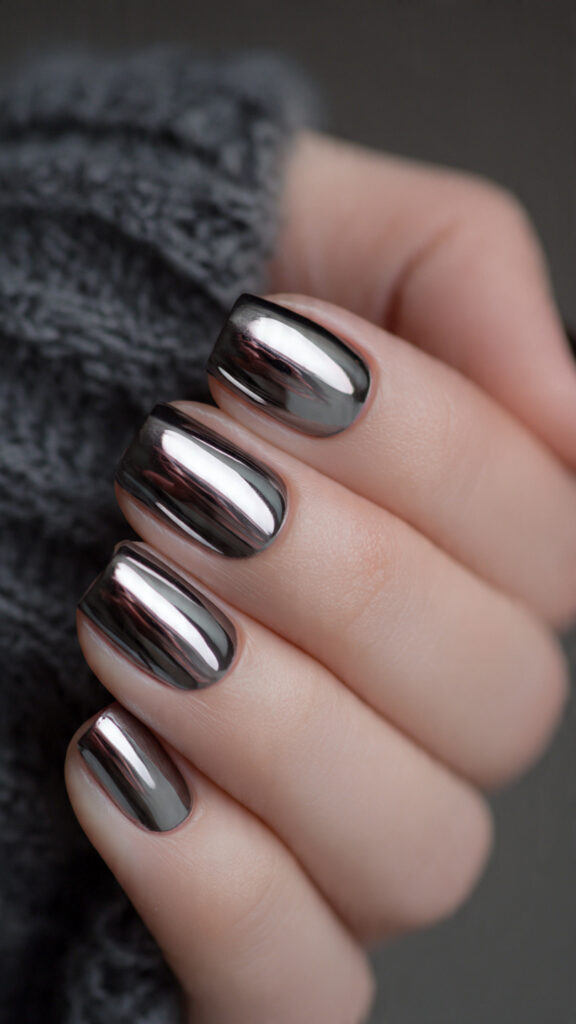
A top coat locks in color and protects nails. Apply a thin, even layer across the nail. Seal the edges for maximum protection. Top coats can add shine or matte finish. Anti-chip top coats increase durability dramatically. A strong top coat can double your manicure lifespan.
Reapplying the top coat every few days keeps nails looking fresh. It protects from scratches and minor accidents. Avoid thick, gloopy layers that peel easily. Quality top coats smooth minor imperfections and enhance polish adhesion. This step is essential for preventing chips and maintaining polish.
8. Reapply Top Coat Every 2–3 Days

Daily activities wear down polish. Reapplying the top coat maintains the protective layer. It refreshes shine and prevents tip damage. You don’t need to remove polish, just add another thin layer. This habit significantly increases polish longevity. Regular touch-ups reduce early chips and fading.
Even minor chips can be delayed with top coat reapplication. Quick-dry formulas make this easy at home. It works well with dark or gel-like polishes. Consistency matters more than one-time thick layers. This habit keeps nails looking freshly painted longer.
9. Avoid Quick Movements While Nails Cure

Sudden movements while drying cause cracks and chips. Keep your hands still for at least 15 minutes. Avoid using nails for typing or opening lids. Even subtle pressure can weaken polish. Proper curing prevents peeling and uneven surfaces. Patience ensures long-lasting polish.
For gel nails, avoid touching surfaces before curing. Rest your hands on a soft surface while drying. Small habits like this extend polish durability. Treat nails gently in the first hours after application. This simple tip works with all colors and nail types.
Why Does My Nail Polish Keep Peeling Off?
10. Natural Nail Oils Breaking Down the Polish

Nail oils create a barrier that prevents polish from sticking. Excess oils under polish cause early lifting. Removing oils with cleanser or alcohol improves adhesion. Natural oils can also affect top coat durability. Cleaning nails ensures polish bonds properly. Oily nails are more prone to chips and bubbles. Regularly prepping nails prevents this issue.
Managing nail oils also keeps polish smooth and even. Polishing over untreated nails is a common mistake. Clean nails hold color longer and reduce peeling. This is essential for both natural and artificial nails. Oil control helps your manicure look fresh for days.
11. Rough Nail Texture Causing Poor Adhesion

Uneven or rough nail surfaces prevent polish from sticking. Buff lightly to create smooth nails. Avoid over-buffing, which weakens nails. Smooth surfaces improve polish adhesion and reduce chips. This step also prevents streaking and clumping. Nails with ridges benefit most from this method. Proper buffing makes polish glide evenly.
Smooth nails extend polish life and reduce peeling. It works for all polish types, especially gel. Buffing before applying a base coat ensures better results. Neglecting this step often causes early polish lifting. Smooth surfaces create a professional-looking manicure.
12. Damaged or Weak Nails Making Polish Lift Faster

Brittle, thin, or peeling nails make polish less durable. Strengthen nails with vitamins or protein treatments. Avoid excessive filing or harsh products. Healthy nails provide a stable surface for polish. Weak nails chip or peel easily, even with proper technique. Regular care improves polish longevity. Strong nails reduce the need for constant touch-ups.
Consider breaks from polish to let nails recover. Nail strengtheners can rebuild damaged nails over time. Strong nails hold color better and prevent peeling. Avoid aggressive manicures that weaken the nail bed. Healthy nails are key to long-lasting polish.
13. Skipping Cuticle Prep Leading to Peeling
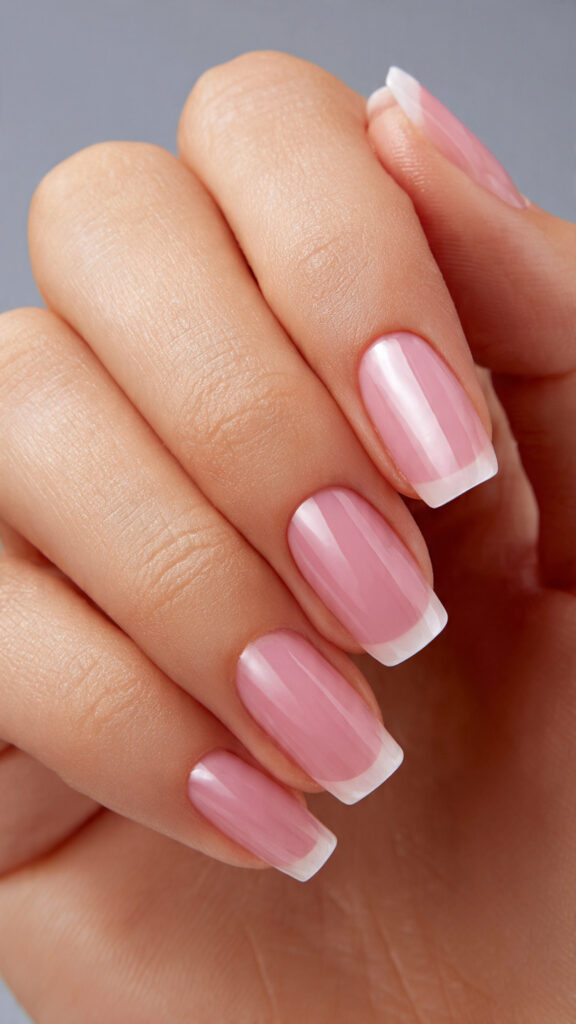
Cuticles can trap polish, causing peeling at the edges. Push cuticles back gently before painting. Avoid cutting too deeply, which damages the nail. Well-prepped cuticles create a clean border for polish. Skipping this step allows polish to lift prematurely. Clean edges improve the manicure’s overall look. Proper cuticle care reduces early chipping significantly.
Regular cuticle care maintains nail health and polish adhesion. Moisturize cuticles after painting to keep them soft. Prepping cuticles ensures the polish layer stays intact. It also prevents polish from sticking to skin. A polished cuticle area makes nails look professional.
14. Using Old or Thickened Nail Polish

Old polish loses its smoothness and chips faster. Thickened formulas peel and bubble easily. Shake and stir polish before use. Discard old or separated bottles to avoid problems. Fresh polish applies evenly and lasts longer. Regularly clean polish brushes to prevent clumping. Using new polish ensures a flawless finish.
Old polish may also dry unevenly. Thick polish is prone to streaks and early lifting. Replace old bottles to maintain a professional look. Fresh polish flows better and adheres properly. Quality polish is essential for preventing chips.
15. Over-Buffing Nails Before Polishing

Excessive buffing weakens nails and reduces polish adhesion. Light buffing creates smooth surfaces but maintains nail strength. Over-buffed nails peel or split easily. Buff nails gently in one direction. Avoid aggressive sanding with coarse buffers. Proper buffing improves polish application and prevents chips. Healthy nails hold polish longer.
Balanced buffing enhances smoothness without compromising nail integrity. It helps polish glide evenly. Over-buffing is a common home manicure mistake. Gentle preparation increases longevity. Nails are ready for base coat and polish.
16. Exposure to Water Too Soon After Painting

Water softens polish and causes peeling. Avoid washing hands or soaking nails immediately after painting. Let polish cure fully for at least an hour. Quick exposure to water weakens adhesion and causes chipping. Even short contact with water can affect polish durability. Dry nails ensure polish bonds properly.
For gel polish, follow proper curing instructions before touching water. Avoid hot water baths on the first day. Water resistance improves longevity dramatically. Protect nails to keep color intact. Proper drying prevents early lifting.
17. Incorrect Filing Technique Weakening Nail Edges
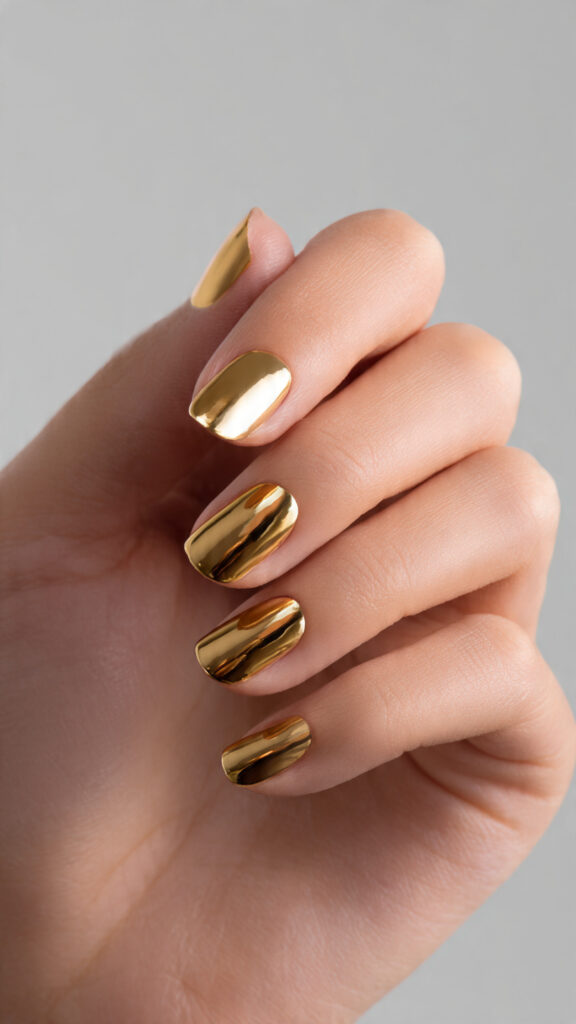
Filing incorrectly creates rough edges where polish lifts. Always file in one direction. Avoid back-and-forth sawing motion. Rounded edges prevent tip chipping. Sharp corners tend to catch and peel polish. Smooth edges improve polish durability. Proper filing is a simple but essential step.
File after washing hands for better control. Use medium-grit files to prevent splitting. Correct technique reduces chips and cracks. Nails maintain their shape longer. This technique works for all polish types.
Best Nail Care Habits to Make Polish Last Longer
18. Keep Nails Hydrated With Cuticle Oils
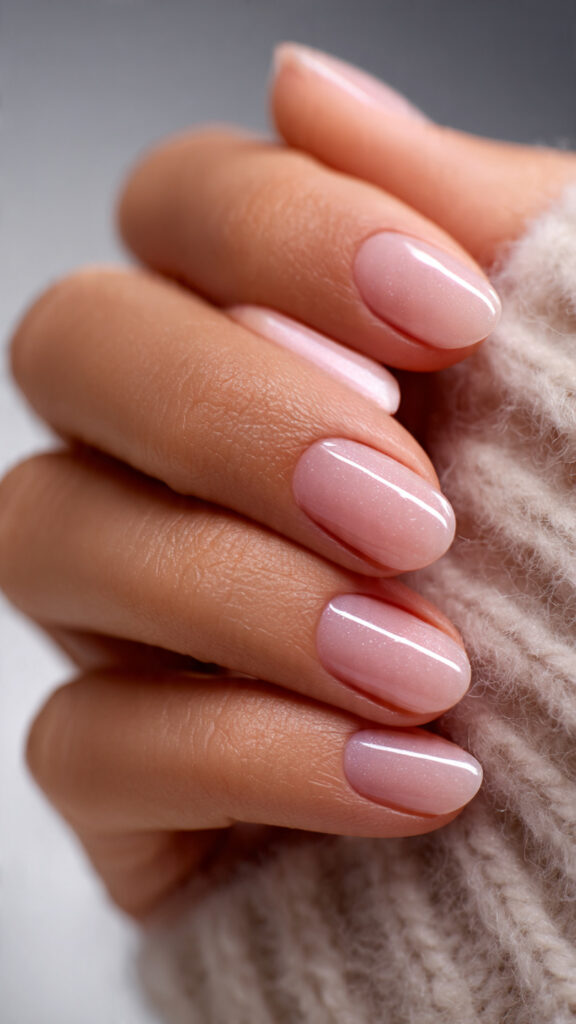
Cuticle oils prevent dryness that leads to polish peeling. Apply daily for smooth, flexible nails. Hydrated nails are less prone to splitting. Oils also prevent tip damage. Soft nails hold polish longer. Massage oil gently around the nail bed. Regular hydration improves polish adhesion.
Cuticle care extends polish life and enhances appearance. Hydration prevents brittle nails from chipping polish. Use oils before and after polish application. Moisturized nails maintain a healthy, polished look. It is a simple habit for long-lasting manicures.
19. Wear Gloves During Cleaning and Dishwashing

Cleaning exposes nails to harsh chemicals and water. Gloves protect polish from chips and fading. Avoid prolonged contact with detergents or hot water. Rubber gloves or cotton-lined gloves work best. Protecting nails reduces polish damage. This simple habit extends manicure life.
Gloves also prevent tip wear and surface scratches. Use them during laundry or dishwashing. Avoid washing hands excessively without gloves. Cover nails whenever possible for maximum protection. Even short tasks can chip polish without protection.
20. Avoid Using Nails as Tools

Nails are not designed for prying or opening objects. Using them as tools increases chipping risk. Open packages or lids with fingers, not nails. Avoid scraping surfaces with nail edges. Gentle use keeps polish intact. Regular abuse weakens nail tips and edges.
Even minor force can lift polish or create cracks. Protect your manicure by being mindful. Treat nails as delicate tools for long-lasting color. Avoiding mechanical stress is key to stopping chipping.
21. Maintain a Consistent Nail Shape
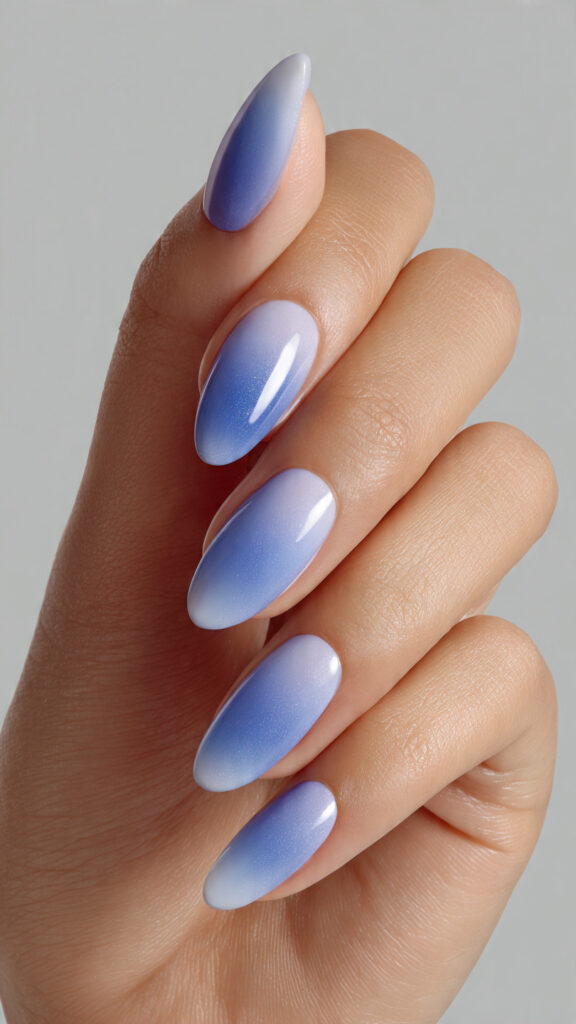
Regularly filing nails keeps edges smooth. Consistent shape prevents uneven tips that chip easily. Oval, square, or almond shapes reduce snagging. Shorter nails are less prone to chipping. Long nails need extra care and top coats. Smooth, uniform nails make polish adhere better.
Inconsistent shapes create weak points for lifting. Maintain shape every few days for protection. Proper nail shape improves polish durability. Combine shape maintenance with tip sealing for best results. Nails stay polished and beautiful longer.
22. Take Breaks From Nail Polish to Strengthen Nails

Constant polish weakens nails. Take breaks between manicures to recover. Strengtheners or nourishing treatments help nails regain flexibility. Breaks reduce splitting, peeling, and polish lifting. Healthy nails hold polish longer. Plan a few days polish-free each month. Strong nails improve adhesion and longevity.
Polish-free periods also prevent yellowing and staining. Use lightweight oils or treatments during breaks. Nails recover faster and maintain natural strength. This simple habit benefits long-term manicure durability.
23. Trim and Care for Cuticles Regularly

Trim or push back cuticles to prevent polish lifting. Damaged cuticles can create peeling spots. Use cuticle remover gently without cutting live skin. Moisturize regularly to maintain flexibility. Healthy cuticles improve polish adhesion. Neglecting cuticles leads to chipping along edges.
Cuticle care also enhances manicure appearance. Soft, neat cuticles prevent polish from sticking to skin. Routine care reduces premature peeling and color loss. It is a simple habit for long-lasting nails.
24. Choose Nail-Friendly, Non-Drying Removers

Harsh removers strip nails of natural oils. Non-drying removers keep nails hydrated and smooth. Acetone-free formulas reduce brittleness and peeling. Use remover sparingly, focusing on polish, not nail surface. Gentle removal preserves nail strength and polish longevity. Frequent harsh removal increases future chipping.
Non-drying removers maintain nail health for longer polish wear. They prevent weak edges from forming. Choose high-quality formulas to extend manicure life. Smooth nails hold color better. This small switch prevents premature polish lifting.
Extra Tips to Prevent Nail Color From Fading or Cracking
25. Store Nail Polish Away From Heat and Light

Heat and sunlight degrade polish, causing fading or thickening. Store bottles in a cool, dark place. Avoid leaving polish in bathrooms or near windows. Proper storage maintains consistency and color. Well-stored polish applies smoothly and lasts longer. Sunlight exposure can ruin the formula over time.
Temperature fluctuations also affect polish drying and performance. Keep polish upright to prevent separation. Proper storage ensures vibrant color and prevents cracking. Even small changes in the environment impact polish durability.
26. Apply a UV-Protective Top Coat for Color Safety
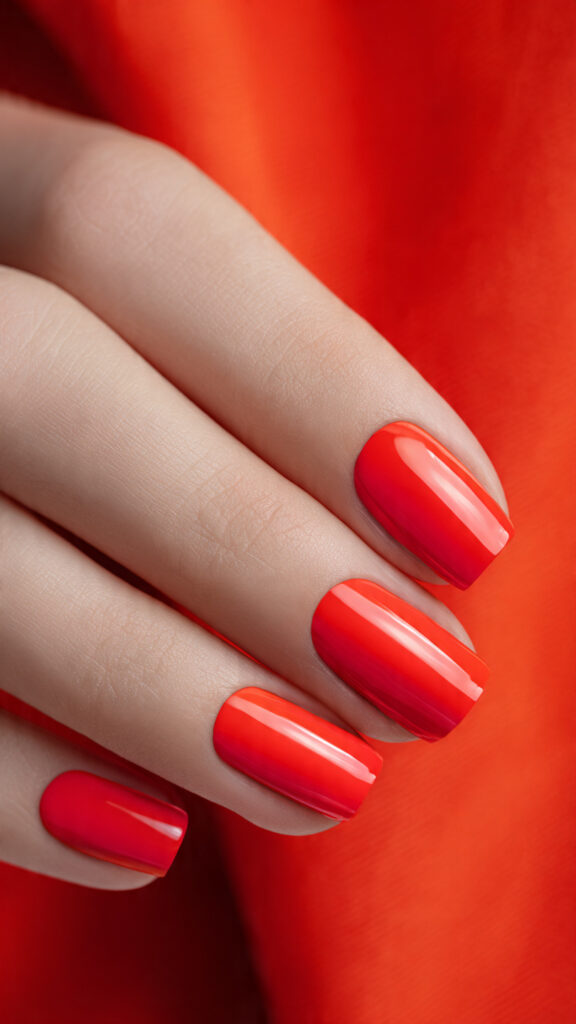
UV rays fade polish and dull colors. A UV-protective top coat prevents fading. It keeps polish vibrant for longer. Reapply every few days for extended protection. UV top coats also protect gel and regular formulas. Stronger protection means less need for touch-ups.
This is especially important for bright reds, pinks, or oranges. UV protection preserves polish integrity and shine. Even short sun exposure can fade color. Applying this top coat ensures long-lasting, chip-resistant nails.
27. Refresh Nail Shine With a Light Polish Layer

Adding a fresh thin layer revives worn polish. It restores shine and covers minor chips. Reapplying every few days keeps nails looking freshly painted. Light touch-ups prevent further peeling or cracking. This trick works for both gel and regular polish. Polish appears new without a full redo.
A small layer also strengthens nail edges. Use a glossy top coat over the refresh layer. Nails maintain a flawless, chip-free look longer. This simple habit prolongs polish life and reduces frustration.
Conclusion
Chipped nail polish doesn’t have to ruin your manicure. Following these 27 ways to stop nail polish from chipping keeps nails strong and color vibrant. Proper prep, careful application, and consistent care all make a big difference. Whether you paint at home or visit a salon, these tips ensure long-lasting, beautiful nails. By combining these strategies, you can enjoy your manicure for days without worrying about chips, fading, or cracks.